
Lower Back Pain in Dancers: Causes, Treatment and Returning to Dance
By Rebuild Physio Glenelg
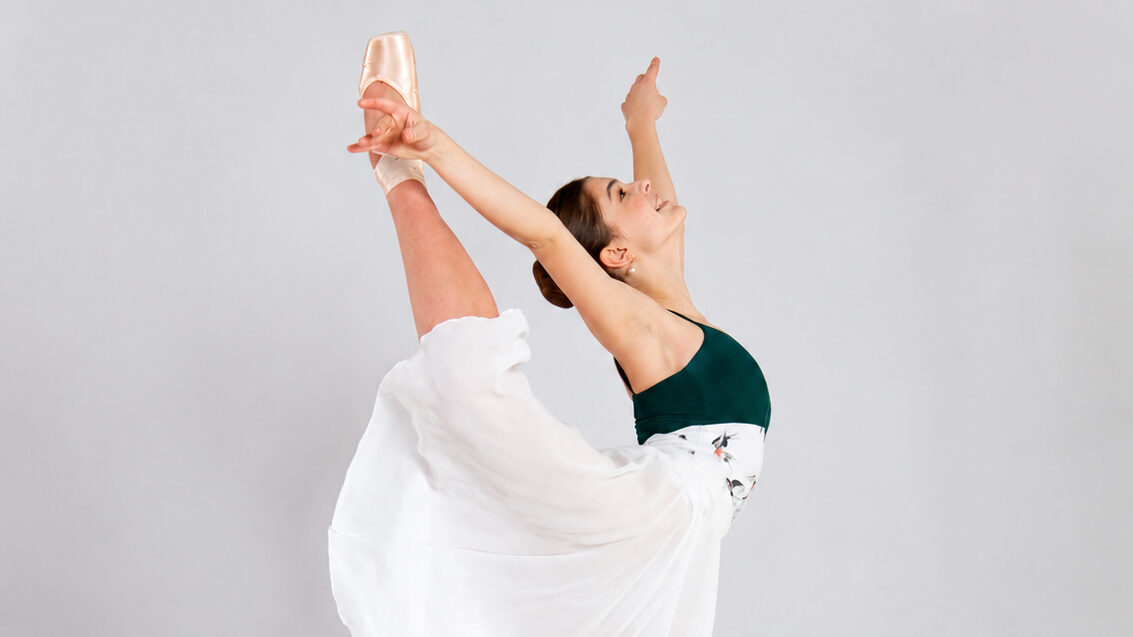
Does your lower back hurt during arabesques, backbends or after a long rehearsal? Lower back pain can be frustrating for dancers, particularly when it starts affecting the movements they love.
Dance requires a combination of flexibility, strength, coordination and control. The spine needs to tolerate a wide range of positions, often repeated throughout classes, rehearsals and performances.
At Rebuild Physio Glenelg, our physiotherapist Hannah has a particular interest in dance injuries and understands the physical demands of ballet, contemporary and other dance styles. She works with dancers experiencing lower back pain, helping them manage symptoms, build strength and return to dancing with confidence.
Why Do Dancers Develop Lower Back Pain?
There is rarely one single reason why a dancer develops lower back pain.
Dance places considerable demands on the spine, particularly during movements involving extension, rotation, balance and repeated loading.
Several factors may contribute to symptoms, including:
Training load: Increases in classes, rehearsals, competitions or performance preparation can place additional demands on the body.
Strength and endurance: The trunk, hip and lower limb muscles help dancers tolerate repeated movements and demanding positions.
Movement control: Coordination between the spine, pelvis and hips may influence how a dancer performs particular movements.
Flexibility and mobility: Large movement ranges require sufficient strength and control to meet the demands of dance.
Previous injuries: A history of lower back pain may influence how a dancer responds to training.
Experiencing lower back pain does not automatically mean a dancer has poor technique or weak core muscles. Understanding the individual dancer, their symptoms and training demands is an important part of identifying what may be contributing to the problem.
Why Does My Back Hurt During Arabesques or Backbends?
Some dancers experience lower back pain during particular movements rather than throughout their entire class.
Arabesques, backbends and scorpion positions require significant spinal extension, often combined with demanding hip positions and muscular control.
Pain During Arabesque
An arabesque requires coordinated movement through the hip, pelvis and lumbar spine while maintaining balance and control.
Some dancers experience discomfort when lifting the back leg higher, holding the position or repeatedly performing the movement.
Assessment may involve examining hip mobility, gluteal strength, trunk control and how the dancer moves through the position.
These factors can provide useful information when developing an individual rehabilitation plan.
Pain During Backbends
Backbends require the spine to move through a large range of extension.
While these movements are a normal part of dance, repeated backbending may aggravate symptoms when the lower back is sensitive to loading.
Depending on the presentation, temporary adjustments to movement range, repetition or training intensity may help manage discomfort while physical capacity is rebuilt.
The goal is to understand why symptoms are occurring and help the dancer return to performing these movements confidently.
Common Causes of Lower Back Pain in Dancers
Lower back pain can arise from different structures and conditions. Not every dancer presenting with similar symptoms will have the same underlying problem.
Muscular Overload
The muscles surrounding the lumbar spine help support and control movement during dance.
Repeated demanding movements, prolonged rehearsals or increases in training intensity may contribute to muscular discomfort and fatigue.
Dancers may experience aching, stiffness or pain during particular activities.
Lumbar Joint and Surrounding Tissue Pain
The joints and surrounding tissues of the lumbar spine can become sensitive to movement and loading.
Symptoms may be aggravated by extension, rotation or sustained positions.
A physiotherapy assessment can help identify the likely contributing factors and guide appropriate treatment.
Hip mobility, strength and control can also influence how dancers move through the pelvis and lumbar spine. In some cases, hip and lower back symptoms may overlap. Learn more about the common causes of hip pain in dancers.
Lumbar Bone Stress Injuries
Lumbar bone stress injuries, including spondylolysis, are an important consideration in adolescent dancers experiencing persistent lower back pain.
These injuries may present with symptoms aggravated by repeated spinal extension and can require modifications to training and further medical investigation.
Not every dancer with pain during backbending has a bone stress injury. However, persistent or worsening symptoms, particularly in younger dancers, should be appropriately assessed.
How Can Physiotherapy Help Lower Back Pain in Dancers?
Physiotherapy aims to identify what may be contributing to symptoms and develop a treatment plan based on the dancer’s individual needs.
At Rebuild Physio Glenelg, Hannah considers the dancer’s symptoms, training history, strength, mobility and the specific movements they need to return to.
Depending on the assessment findings, treatment may involve several approaches.
Manual Therapy
Hands-on physiotherapy can help manage lower back pain, particularly when discomfort or stiffness is limiting movement.
Treatment may include soft tissue techniques, joint mobilisation and other manual therapy approaches to provide short-term symptom relief.
Manual therapy is generally combined with active rehabilitation to help dancers improve their physical capacity and return to training.
Strength and Conditioning
Strength and conditioning is an important part of rehabilitation for many dancers.
The trunk, gluteal and lower limb muscles contribute to movement control and the ability to tolerate repeated loading.
Rehabilitation may focus on improving strength, endurance and control through the movement ranges required for dance.
The aim is to develop the physical capacity needed for classes, rehearsals and performances rather than simply strengthening muscles in isolation.
Dance-Specific Movement Assessment
Understanding which movements reproduce symptoms is an important part of assessing lower back pain in dancers.
Where appropriate, Hannah may assess movements such as arabesques, backbends, jumping and landing to better understand the dancer’s symptoms and physical demands.
Assessment may consider hip mobility, trunk strength, pelvic control and how symptoms respond to different positions.
Training Load Management
Lower back pain can sometimes develop during periods of increased rehearsal or performance demands.
Complete rest from dance is not always necessary. Depending on the condition, temporarily modifying certain movements or reducing training intensity may allow dancers to maintain some participation while symptoms are managed.
If lower back pain is affecting your dancing, you can book an assessment with Hannah at Rebuild Physio Glenelg to discuss your symptoms and rehabilitation options.
Can You Keep Dancing With Lower Back Pain?
Many dancers can continue participating in dance while recovering from lower back pain, although some modifications to training may be necessary.
Depending on the symptoms and underlying condition, this might involve temporarily reducing certain movements, adjusting rehearsal intensity or modifying the amount of training.
However, some injuries, particularly lumbar bone stress injuries, may require a period away from specific activities to allow appropriate recovery.
At Rebuild Physio Glenelg, Hannah can help dancers understand which activities are appropriate and develop a plan to progressively return to full training.
Returning to Dance After Lower Back Pain
Returning to dance involves more than simply being comfortable during everyday activities.
Dancers need to tolerate the specific physical demands of their chosen style, including repeated movements, challenging positions, rehearsals and performance.
Rehabilitation may involve gradually progressing from modified class participation towards more demanding activities.
For ballet dancers, this might include progressing from controlled barre work towards centre work, larger movements and full choreography.
Progression should consider symptoms, strength, movement tolerance and the dancer’s response to increasing training demands.
When Should a Dancer See a Physiotherapist for Lower Back Pain?
Consider having lower back pain assessed if it is:
Persisting or becoming progressively worse
Affecting arabesques, backbends or other dance movements
Returning whenever training intensity increases
Preventing you from completing classes or rehearsals
Affecting an upcoming performance, competition or examination
Continuing despite modifying training
Persistent lower back pain in adolescent dancers deserves particular attention, especially when symptoms are repeatedly aggravated by spinal extension.
Back pain associated with significant trauma, fever or unexplained systemic symptoms also warrants medical assessment. New bladder or bowel dysfunction, numbness around the groin or progressive leg weakness requires emergency assessment.
Dance Physiotherapy With Hannah at Rebuild Physio Glenelg
At Rebuild Physio Glenelg, Hannah works with dancers experiencing a range of musculoskeletal injuries, including lower back pain affecting classes, rehearsals and performances.
With a particular interest in dance physiotherapy, Hannah understands the importance of addressing both symptoms and the physical demands of dance.
Her approach combines individualised assessment, hands-on physiotherapy where appropriate, strength and conditioning, and dance-specific rehabilitation.
Whether you’re experiencing discomfort during arabesques, struggling with backbends or finding that symptoms return when rehearsals increase, Hannah can help assess your symptoms and develop a treatment plan tailored to your goals.
Experiencing lower back pain during dance? You can learn more about our Dance Injury Physiotherapy in Glenelg or book an appointment with Hannah if back pain is currently limiting your dancing.
About the Author
Hannah | Physiotherapist at Rebuild Physio Glenelg
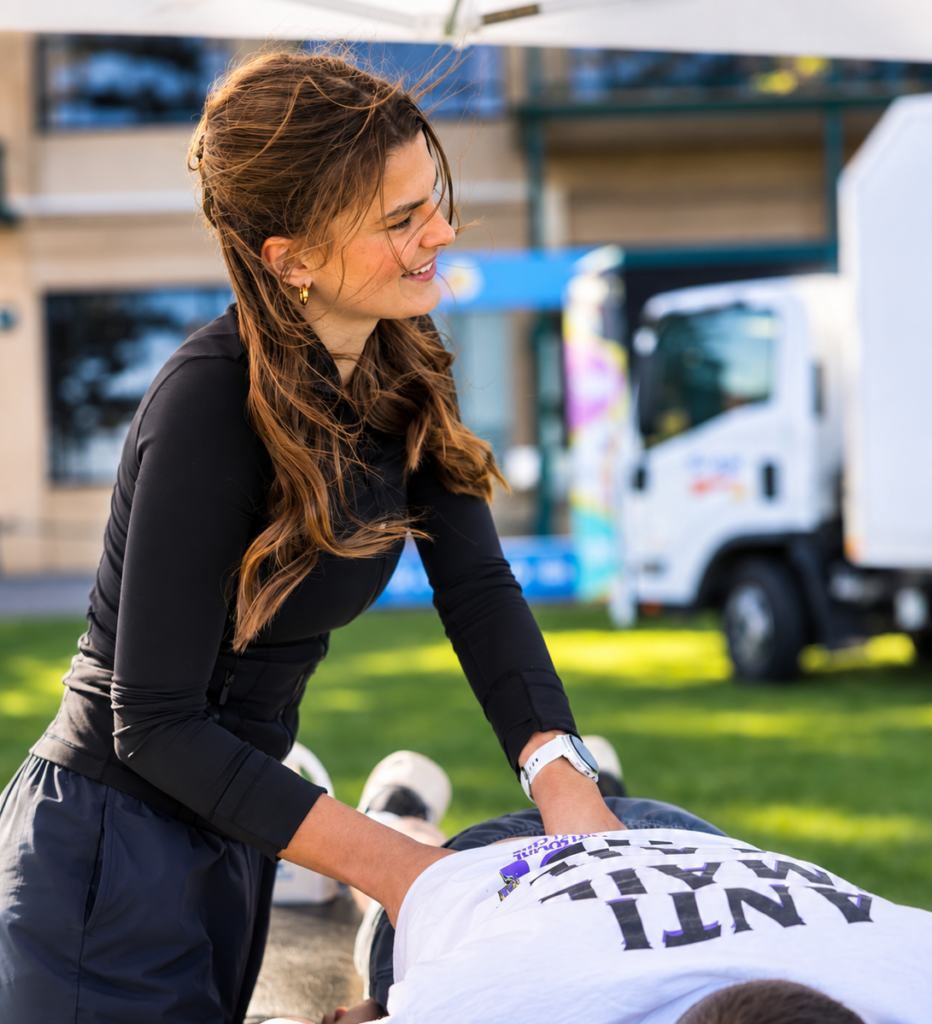
Hannah has a particular interest in dance injuries and rehabilitation. Before becoming a physiotherapist, she completed full-time training through the Australian Ballet School and has experience teaching ballet.
Her dance background gives her firsthand insight into the movement, technique and physical demands of dancing. She combines this experience with her physiotherapy knowledge to help dancers manage injuries and return to training and performance.
References
Hincapié CA, Morton EJ, Cassidy JD. Musculoskeletal injuries and pain in dancers: a systematic review. Archives of Physical Medicine and Rehabilitation. 2008;89(9):1819–1829.
Reiman MP, Thorborg K. Clinical examination and physical assessment of hip joint related pain in athletes. International Journal of Sports Physical Therapy. 2014;9(6):737–755.
Griffin DR, et al. The Warwick Agreement on femoroacetabular impingement syndrome: an international consensus statement. British Journal of Sports Medicine. 2016;50:1169–1176.
Wyon MA. Preparing to perform: periodization and dance. Journal of Dance Medicine & Science. 2010;14(2):67–72.
Koutedakis Y, Jamurtas A. The dancer as a performing athlete: physiological considerations. Sports Medicine. 2004;34(10):651–661.
