

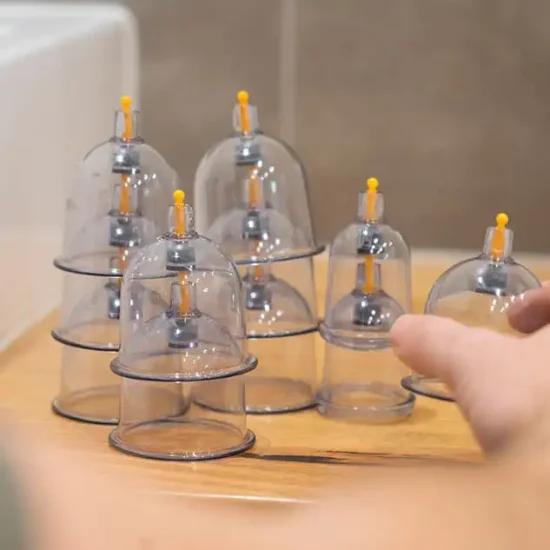

At Rebuild Physio Glenelg, cupping therapy is one of several techniques that may be considered for selected musculoskeletal presentations.
Our physiotherapists take an individualised approach to treatment, considering your symptoms, preferences and rehabilitation goals.
Where appropriate, cupping may be used alongside exercise rehabilitation, education and other physiotherapy treatments.
What Is Cupping Therapy?
Cupping therapy involves placing specialised cups onto the skin and applying suction to the underlying tissue.
Unlike traditional massage, which generally applies pressure towards the body, cupping uses suction to gently lift the skin and superficial soft tissues.
At Rebuild Physio, we offer suction cupping as an optional treatment technique.
Why Might Cupping Be Used?
Some patients seek cupping for muscle-related discomfort or temporary symptom relief.
It may be considered as part of a broader physiotherapy management plan where appropriate.
However, the evidence for cupping is limited and uncertain, particularly regarding its effectiveness compared with placebo treatment.
Cupping should not be considered a necessary treatment for recovery or a substitute for appropriate exercise rehabilitation.
Cupping as Part of Physiotherapy
Your physiotherapist will assess your symptoms and discuss which treatment options are suitable.
Depending on your condition, this may include:
Exercise and strengthening.
Mobility and movement rehabilitation.
Activity modification and education.
Manual therapy or other symptom-management strategies.
We aim to select treatments based on your clinical needs, preferences and the available evidence.
What to Expect During Cupping
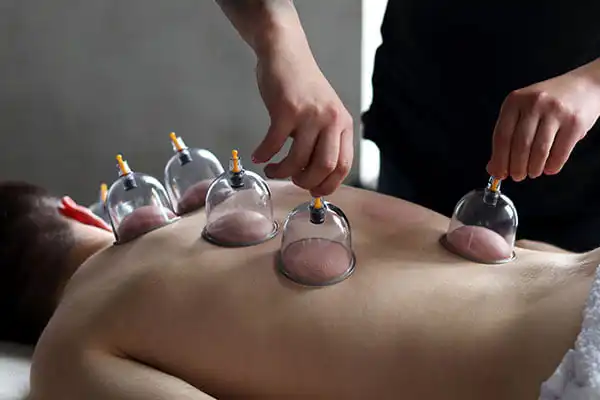
During treatment, cups are placed over selected areas of the body and suction is applied.
The technique may create a pulling sensation and can leave temporary circular marks on the skin.
Potential side effects include bruising, tenderness, skin irritation and, less commonly, other complications.
Your physiotherapist will explain the technique, discuss relevant risks and precautions, and obtain your informed consent before treatment.
Frequently Asked Questions
Does cupping leave marks?
Yes, temporary circular skin discolouration is common. The marks generally fade with time.
Is cupping suitable for everyone?
No. Some medical conditions, skin conditions and medications may make cupping inappropriate. Your physiotherapist will assess relevant precautions.
Can I request cupping at my appointment?
You can discuss cupping with your physiotherapist. Whether it is provided will depend on your individual assessment and the clinician’s judgement.
Cupping Therapy at Rebuild Physio Glenelg
If you’re interested in cupping or would like advice about managing muscle and joint discomfort, our physiotherapists can assess your symptoms and discuss appropriate treatment options.
