
Knee Pain in Dancers: Common Causes, Rehabilitation and Returning to Dance
By Rebuild Physio Glenelg
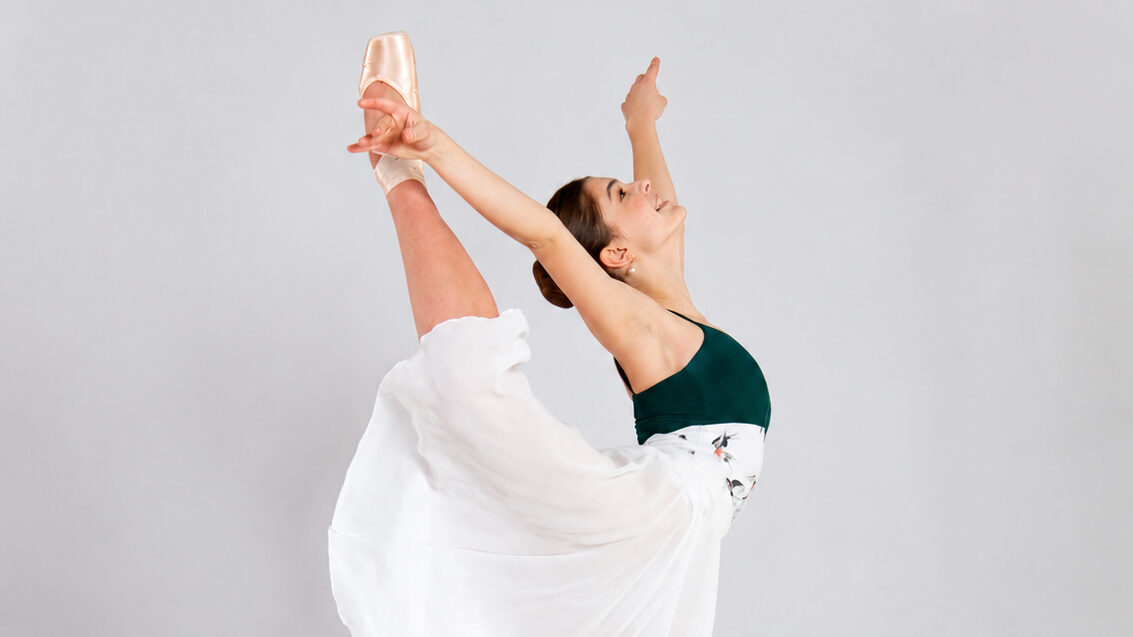
Knee pain is a common problem in dancers and can affect pliés, jumps, landings, rehearsals and performance.
For dancers, recovering from knee pain involves more than becoming comfortable with everyday activities. The knee needs to tolerate the specific positions, repetition and physical demands of dance.
At Rebuild Physio Glenelg, physiotherapist Hannah has a special interest in dance injuries. Having trained full time at The Australian Ballet School and later taught ballet, Hannah understands the terminology, technique and physical demands involved in dance.
Why Do Dancers Develop Knee Pain?
There is rarely one single reason why a dancer develops knee pain.
Dance involves repeated knee bending, jumping, landing and single leg movements. Training volume can also vary considerably around rehearsals, performances, competitions and examinations.
Factors that may be relevant include:
Changes in training or rehearsal load
Repeated jumping and landing
Lower limb strength and capacity
Hip and pelvic control
Alignment during pliés and other knee bending movements
Dance technique
Previous injury
Fatigue
The movements that cause pain can provide useful information.
A dancer may feel completely comfortable walking around during the day but develop symptoms during pliés or after repeated jumps in class. Understanding when the pain occurs helps guide both assessment and rehabilitation.
Patellofemoral Pain in Dancers
One common knee presentation in dancers is patellofemoral pain.
Patellofemoral pain generally refers to pain around or behind the kneecap. Symptoms can occur during activities that repeatedly load the knee in a bent position.
For dancers, this may include:
Pliés
Demi pliés
Jumping
Landing
Single leg movements
Longer rehearsals
Increases in training volume
When assessing patellofemoral pain in dancers, it is useful to consider more than the painful area itself.
Leg alignment during knee bending movements, pelvic control during jumps and landing technique can all provide useful information. Dance technique and the dancer’s current training demands should also be considered.
Turnout may be relevant for some dancers. A large component of turnout comes from rotation at the hip. If a dancer is trying to achieve a position that they cannot comfortably access or control, this may alter how they move through the lower limb.
The goal is not to identify one perfect technique for every dancer. It is to understand how that individual dancer moves and whether anything modifiable may be contributing to their symptoms.
What Do We Assess in a Dancer With Knee Pain?
Assessment begins by understanding the dancer’s symptoms and training.
We want to know when the pain started, which movements aggravate it, whether training has recently changed and what level of dance the person needs to return to.
Depending on the presentation, assessment may include:
Knee movement
Quadriceps strength
Hip strength and control
Calf strength and endurance
Single leg control
Balance
Plié technique and lower limb alignment
Turnout
Jumping and landing
Current dance and rehearsal load
We may also ask the dancer to demonstrate the specific movement that causes their symptoms.
For example, if knee pain consistently occurs during plié or landing from a jump, observing that movement can help us understand the physical demands involved and identify what should be addressed during rehabilitation.
Does a Dancer With Knee Pain Need to Stop Dancing?
Not always.
Depending on the injury and severity of symptoms, it may be possible to continue some dance while temporarily modifying the movements or training volume that aggravate the knee.
For example, a dancer may tolerate barre work but experience pain with repeated jumping. Another dancer may tolerate individual jumps but develop symptoms as the number of repetitions increases.
Rather than automatically stopping all dance, the aim may be to find a level of training the dancer can currently tolerate and build from there.
There are situations where greater restriction may be appropriate, which is why persistent or significant knee pain should be properly assessed.
Rehabilitation for Knee Pain in Dancers
Rehabilitation should be based on what we find during assessment and the demands the dancer needs to return to.
This may involve strengthening the quadriceps, hips and calves, improving single leg control and progressively rebuilding tolerance to dance specific movements.
Rehabilitation may include:
Quadriceps strengthening
Hip strengthening
Calf strengthening
Single leg exercises
Balance and control exercises
Plié progressions
Jump and landing progressions
Dance specific movement practice
Gradual increases in training load
Early exercises may look quite different from dance.
As strength and symptoms improve, rehabilitation should become progressively more specific.
A dancer who needs to return to repeated jumps needs to gradually rebuild jumping and landing capacity. A dancer who develops pain during pliés needs to progressively restore tolerance to that movement.
Returning to Dance
A successful return to dance should be progressive.
Depending on the injury, rehabilitation may progress from floor based exercises into barre work before increasing centre work and more demanding movements.
Pliés may initially be performed through a comfortable range before gradually increasing depth.
Jumping can begin with controlled landing exercises and smaller jumps before progressing towards larger jumps, repeated jumping and the demands of normal choreography.
Other movements such as relevés, turns and pirouettes can also be reintroduced progressively where appropriate.
The final stages should prepare the dancer for their actual training demands.
For a recreational dancer, this might mean comfortably returning to their normal weekly classes.
For a more advanced dancer, rehabilitation may need to prepare them for longer classes, repeated rehearsals and performance.
The goal is to bridge the gap between feeling better and being physically ready to dance.
When Should a Dancer Get Knee Pain Assessed?
Consider having knee pain assessed if it is:
Persisting or becoming progressively worse
Affecting pliés, jumps or landings
Returning whenever training increases
Preventing you from completing class or rehearsal
Associated with swelling
Associated with instability or giving way
Affecting an upcoming performance, competition or examination
Assessment can help determine what may be contributing to the problem and provide a plan for managing dance while rebuilding capacity.
Dancers can also experience other lower limb injuries that affect jumping, landing and training. You can read more about ankle sprains in dancers and posterior ankle pain in dancers in our related dance injury articles.
Dance Injury Physiotherapy in Glenelg
At Rebuild Physio Glenelg, physiotherapist Hannah works with dancers experiencing pain and injury.
Having trained full time at The Australian Ballet School and later taught ballet, Hannah understands the terminology, technique and physical demands involved in dance.
Her goal is to help dancers continue doing what they love and return confidently to class, rehearsal and performance.
You can learn more about our Dance Injury Physiotherapy in Glenelg or book an appointment with Hannah if knee pain is currently limiting your dancing.
About Hannah
Hannah
Physiotherapist
Rebuild Physio Glenelg
Hannah has a particular interest in dance injuries and rehabilitation. Before becoming a physiotherapist, she completed full-time training through the Australian Ballet School and has experience teaching ballet.
Her background in dance supports her understanding of movement quality, technique, strength, load management and the demands involved in helping dancers return to training and performance.
References
Vassallo AJ, Trevor BL, Mota L, Pappas E, Hiller CE. Injury rates and characteristics in recreational, elite student and professional dancers: a systematic review. Journal of Sports Sciences. 2019
Willy RW, Hoglund LT, Barton CJ, et al. Patellofemoral Pain: Clinical Practice Guidelines Linked to the International Classification of Functioning, Disability and Health. Journal of Orthopaedic & Sports Physical Therapy. 2019
