
Hip Pain in Dancers: Common Causes, Treatment and Returning to Dance
By Rebuild Physio Glenelg
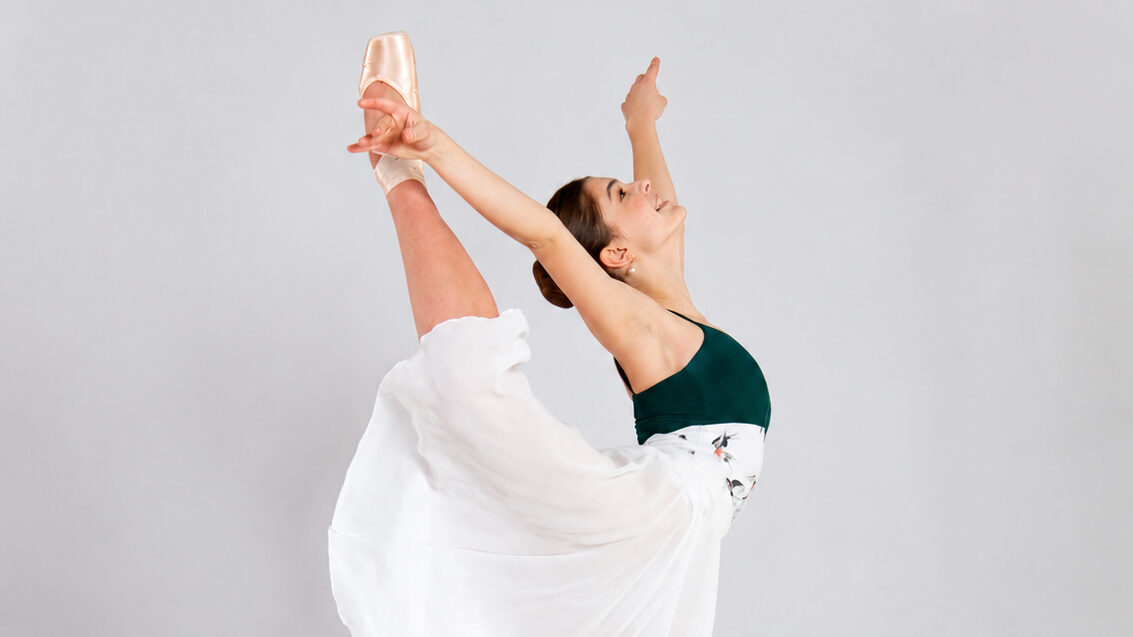
Hip pain can be frustrating for dancers, especially when it starts affecting classes, rehearsals or performances. You might notice pain at the front of your hip when lifting your leg, discomfort during turnout or an ache around your glutes after a long rehearsal.
Dancing requires a combination of flexibility, strength and control. Movements such as développé, grand battement and arabesque place considerable demands on the hip, particularly when they’re repeated throughout a class.
At Rebuild Physio Glenelg, our physiotherapist Hannah has a particular interest in dance injuries and understands how important it is for dancers to keep doing what they love.
When assessing hip pain, we look beyond where it hurts. We want to understand how your hip moves, how strong it is and what your body is being asked to do during dance.
What Causes Hip Pain in Dancers?
There are several possible causes of hip pain in dancers. The location of your pain, the movements that aggravate it and how it responds to activity can help us work out what’s going on.
Hip Flexor Pain
The hip flexors help lift your leg and are heavily involved in movements such as développé and grand battement.
Repeated leg lifting, particularly when holding the leg high or extending it into a longer lever, places significant demands on these muscles.
If the hip flexors aren’t tolerating the amount of work they’re being asked to do, you may notice pain at the front of the hip during leg lifts or after class.
However, pain in this area doesn’t always mean the hip flexors are the problem. The hip joint and surrounding structures can produce similar symptoms.
Snapping Hip Syndrome
Some dancers notice a clicking or snapping sensation when lifting or lowering their leg.
This can occur when a tendon moves over nearby structures around the hip.
A painless click is often nothing to worry about. However, if the snapping becomes painful or starts interfering with your dancing, it’s worth having it assessed.
Femoroacetabular Impingement Syndrome
Femoroacetabular impingement syndrome, often called FAI syndrome, can cause pain deep in the hip or groin.
Dancers may notice discomfort when bringing the hip into deep flexion or rotation, particularly during certain positions.
Some people also experience stiffness or painful catching.
It’s important to remember that differences in hip anatomy are normal. Having a particular hip shape doesn’t automatically mean you have an injury.
Gluteal and Lateral Hip Pain
Pain around the outside or back of the hip can involve the gluteal muscles, tendons or surrounding structures.
These muscles work hard during balances, turns, jumps and single leg movements.
When the demands of dancing exceed what these tissues can currently tolerate, symptoms may develop.
Hip Labral Injuries
The labrum is a ring of cartilage around the hip socket that helps support the joint.
Some dancers with labral pathology experience deep groin pain, painful catching or discomfort during rotational movements.
However, labral changes can also be found in people without pain, so symptoms and clinical assessment are important when determining whether they’re relevant.
Why Do Dancers Develop Hip Pain?
Dancers regularly work through large ranges of movement, often while balancing, jumping or holding demanding positions.
Sometimes hip pain develops after an increase in training.
You might have started extra classes, increased rehearsal hours or been working on more challenging choreography.
Other times, there isn’t one obvious reason.
When assessing hip pain, we look at your training history, strength, movement and recovery to understand what may be contributing to your symptoms.
Hip Flexor Pain During Développé and High Leg Extensions
Dancers often have excellent flexibility, but controlling the leg at the end of that range requires considerable strength.
During a développé, the leg is lifted through a bent knee position before the knee straightens.
As the leg extends, it becomes a longer lever, increasing the work required from the muscles supporting it.
Some dancers can comfortably achieve a high leg position when stretching but struggle to actively lift or hold their leg at the same height.
This is where strength becomes particularly important.
If a dancer experiences pain during repeated leg lifts, the answer isn’t necessarily more stretching.
We may need to look at hip flexor strength, endurance and how well the dancer controls their leg through different ranges of movement.
Can Turnout Contribute to Hip Pain?
Turnout is an important part of ballet, but not everyone has the same amount of available hip rotation.
The shape of your hip joint, your flexibility and your muscular control all influence how much turnout you can achieve.
Some dancers try to create more turnout by rotating through their knees, feet or pelvis rather than relying primarily on movement at the hip.
This doesn’t automatically mean they’ll develop an injury, but it’s something we consider when assessing hip pain.
If you’re repeatedly pushing into a position that your hip struggles to control, it may be contributing to your symptoms.
Rather than forcing more rotation, we may focus on improving strength and control within the range you already have.
Why Hip Strength Matters for Dancers
Flexibility is important, but dancers also need the strength to control their movements.
Being able to stretch your leg into a high position is different from being able to lift it there and hold it during a performance.
The hip flexors, glutes and hip rotators all play important roles in controlling the hip and pelvis.
Depending on what we find during an assessment, rehabilitation may involve strengthening these muscles through different ranges and positions.
As strength improves, exercises can progress towards movements that more closely resemble dancing.
The aim is to help your body tolerate the demands of your classes, rehearsals and performances.
Is More Flexibility Always Better?
Not necessarily.
Some dancers already have plenty of flexibility but struggle to control their available movement.
In these cases, more stretching may not be particularly helpful.
Instead, developing strength through the range you already have may be a better approach.
There are also natural differences in hip anatomy that influence how much movement each person can achieve.
The goal isn’t necessarily to have the greatest possible range. It’s to have the strength and control to use your available movement comfortably.
How Do We Assess Hip Pain in Dancers?
At Rebuild Physio Glenelg, we start by asking about your symptoms and your dancing.
Where does it hurt? Which movements bring on the pain? Has your training changed recently?
We also want to understand your dance style and what you’re working towards.
Depending on your symptoms, we may assess:
Hip flexibility and rotation
Hip flexor and gluteal strength
Hip rotation strength
Pelvic and trunk control
Single leg balance and strength
Dance movements such as turnout and leg lifts
Your lower back where appropriate
We may also look at whether changing a movement makes it more comfortable.
This helps us understand what may be contributing to your symptoms and how best to approach rehabilitation.
How Do We Treat Hip Pain in Dancers?
Treatment depends on what’s causing your pain and what you need to be able to do.
For some dancers, the main issue may be muscular strength or tolerance to repeated loading. For others, hip joint symptoms or movement restrictions may be more relevant.
Strength and Conditioning
Strengthening is often an important part of managing muscular and tendon related hip pain.
We may work on the hip flexors, glutes, hip rotators and surrounding muscles, depending on what your assessment identifies.
As your symptoms improve, exercises can progress towards longer lever positions, greater ranges of movement and more demanding dance movements.
Managing Training Load
You may need to temporarily reduce certain movements or adjust how much dancing you’re doing.
For example, repeated high leg lifts might be aggravating your symptoms, while other parts of class remain comfortable.
Where appropriate, we aim to keep you dancing in some capacity rather than stopping everything unnecessarily.
Improving Movement Control
Sometimes small changes to how you perform a movement can make a difference.
This might involve improving pelvic control, adjusting how you achieve turnout or building strength in positions you find difficult.
Hands on physiotherapy may also be used for symptom relief when appropriate, alongside exercise rehabilitation.
Can You Continue Dancing With Hip Pain?
Often, yes, although it depends on the cause of your symptoms.
Some dancers can continue classes with small modifications, while others may need to temporarily reduce certain activities.
We consider how much pain you’re experiencing, whether symptoms worsen during class and how your hip responds afterwards.
However, pain that is progressively worsening, affecting your walking or occurring at rest needs further assessment.
Bone stress injuries are particularly important to consider in dancers with worsening groin pain or pain when bearing weight. A suspected femoral neck bone stress injury requires urgent medical assessment.
Returning to Dance After Hip Pain
Being able to walk around without pain is one thing. Returning to demanding dance movements is another.
Before returning to full training, we want to make sure your hip can tolerate the movements you need for your style of dance.
For someone with hip flexor pain, this might mean gradually rebuilding strength for high leg lifts and sustained extensions.
For another dancer, the focus may be on turnout, single leg control or returning to jumps and landings.
Rehabilitation should progress towards the demands of your classes, rehearsals and performances.
When Should You See a Physiotherapist?
It’s worth having your hip assessed if you’re experiencing:
Pain during leg lifts or turnout
Painful snapping or clicking
Persistent hip or groin discomfort
Difficulty controlling movements that were previously comfortable
Pain that keeps returning during classes
Symptoms affecting walking or everyday activities
Severe pain, inability to bear weight or symptoms concerning for a bone stress injury require prompt medical assessment.
Dancers can also experience other lower limb injuries that affect jumping, landing and training. You can read more about knee pain in dancers, ankle sprains in dancers and posterior ankle pain in dancers in our related dance injury articles.
Dance Injury Physiotherapy in Glenelg
At Rebuild Physio Glenelg, we understand that dancers need more than simply getting through everyday activities without pain.
Our physiotherapist Hannah has a particular interest in dance injuries and helping dancers build the strength, flexibility and control they need for their training and performances.
Whether you’re experiencing hip flexor pain during développé, discomfort with turnout or ongoing hip pain during classes, we can assess your symptoms and help develop a rehabilitation plan suited to your goals.
If you’re looking for dance injury physiotherapy in Glenelg or surrounding Adelaide suburbs, our team is here to help.
You can learn more about our Dance Injury Physiotherapy in Glenelg or book an appointment with Hannah if hip pain is currently limiting your dancing.
About the Author
Hannah | Physiotherapist at Rebuild Physio Glenelg
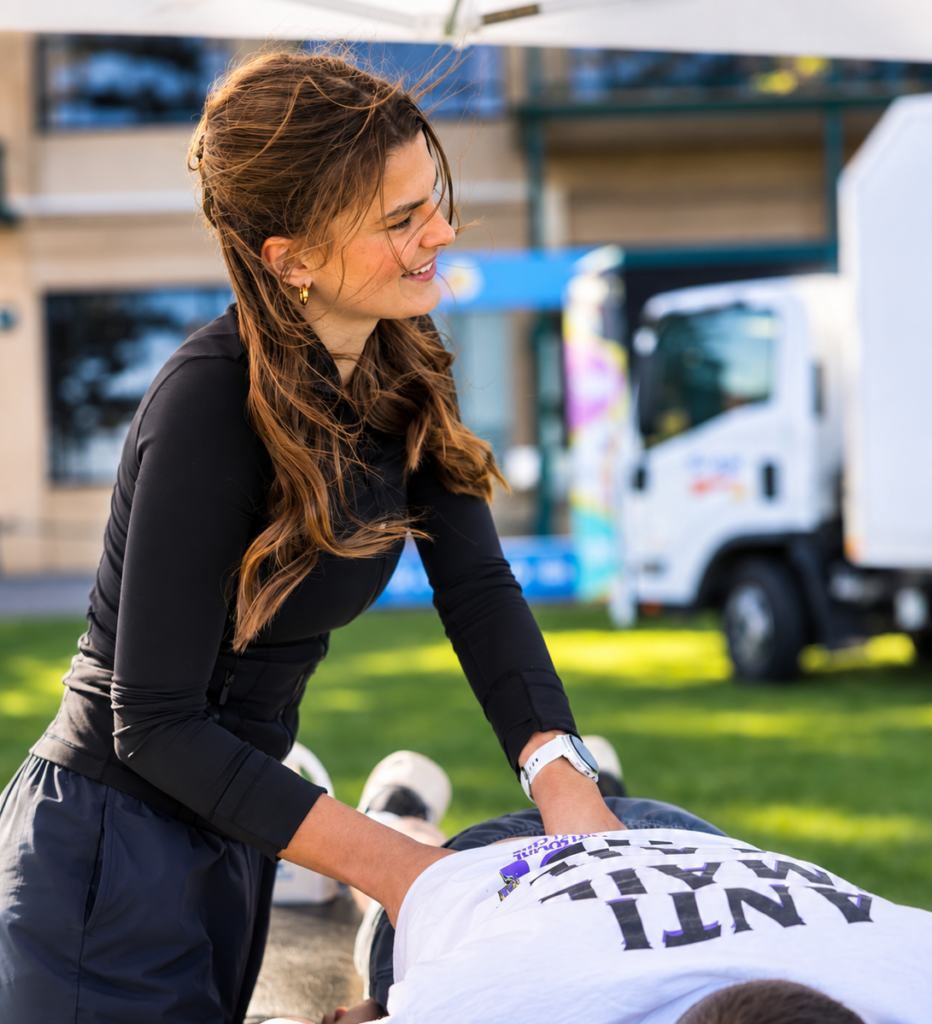
Hannah has a particular interest in dance injuries and rehabilitation. Before becoming a physiotherapist, she completed full-time training through the Australian Ballet School and has experience teaching ballet.
Her dance background gives her firsthand insight into the movement, technique and physical demands of dancing. She combines this experience with her physiotherapy knowledge to help dancers manage injuries and return to training and performance.
References
Hincapié CA, Morton EJ, Cassidy JD. Musculoskeletal injuries and pain in dancers: a systematic review. Archives of Physical Medicine and Rehabilitation. 2008;89(9):1819–1829.
Reiman MP, Thorborg K. Clinical examination and physical assessment of hip joint related pain in athletes. International Journal of Sports Physical Therapy. 2014;9(6):737–755.
Griffin DR, et al. The Warwick Agreement on femoroacetabular impingement syndrome: an international consensus statement. British Journal of Sports Medicine. 2016;50:1169–1176.
Wyon MA. Preparing to perform: periodization and dance. Journal of Dance Medicine & Science. 2010;14(2):67–72.
Koutedakis Y, Jamurtas A. The dancer as a performing athlete: physiological considerations. Sports Medicine. 2004;34(10):651–661.
